
Creating a relaxing home office environment is essential for maintaining focus, reducing stress, and boosting productivity—especially when your workspace is also part of your living space. Whether you’re working remotely full-time or occasionally, making your home office a comfortable and inviting place can encourage better work habits and improve your overall well-being.
In this post, we’ll explore practical tips to help you design a calming home office that supports your workflow while making the experience enjoyable.
1. Choose the Right Location
Find a Quiet Spot
Select a location in your home that is away from high-traffic areas and distractions like television or loud appliances. A room with a door is ideal, but if that’s not possible, create a distinct boundary that signals “work time” to yourself and others.
Consider Natural Light
Natural light can improve mood and focus, so place your desk near a window if possible. If natural light is limited, invest in good-quality lighting that mimics daylight to reduce eye strain.
2. Invest in Ergonomic Furniture
Comfortable Chair
A chair with proper lumbar support helps prevent back pain and encourages good posture. Adjustable chairs allow you to customize height and angle for maximum comfort.
Functional Desk
Choose a desk that fits your available space and allows you to organize your tools efficiently. Standing desks or desks with adjustable heights are great options if you want to alternate between sitting and standing.
3. Use Calming Colors and Decor
Soothing Color Palette
Colors such as soft blues, greens, or neutral tones can create a peaceful atmosphere. Avoid overly bright or distracting colors.
Personal Touches
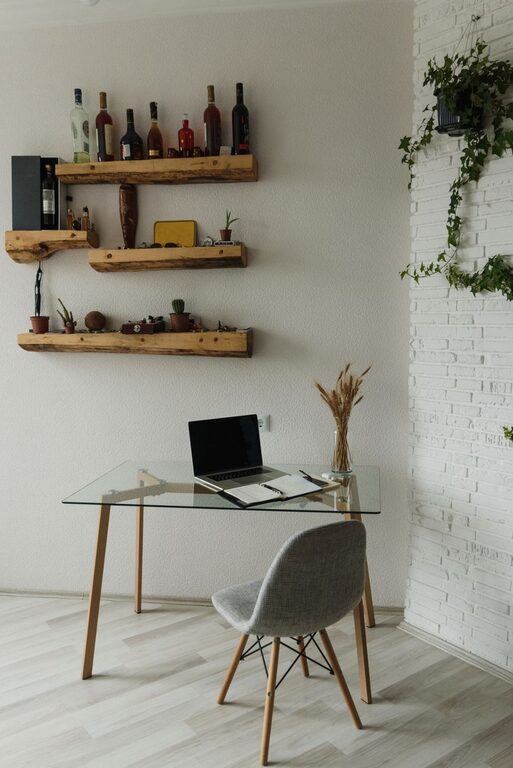
Add items that inspire and motivate you, like artwork, plants, or photos. Be cautious not to clutter your space; keep decorations minimal to maintain calmness.
4. Organize Your Workspace
Declutter Regularly
A tidy desk helps reduce mental clutter. Only keep essentials on your desk and store other items in drawers or shelves.
Use Storage Solutions
Boxes, trays, and filing cabinets help keep documents and supplies organized. Label storage units for easy access.
5. Incorporate Nature
Indoor Plants
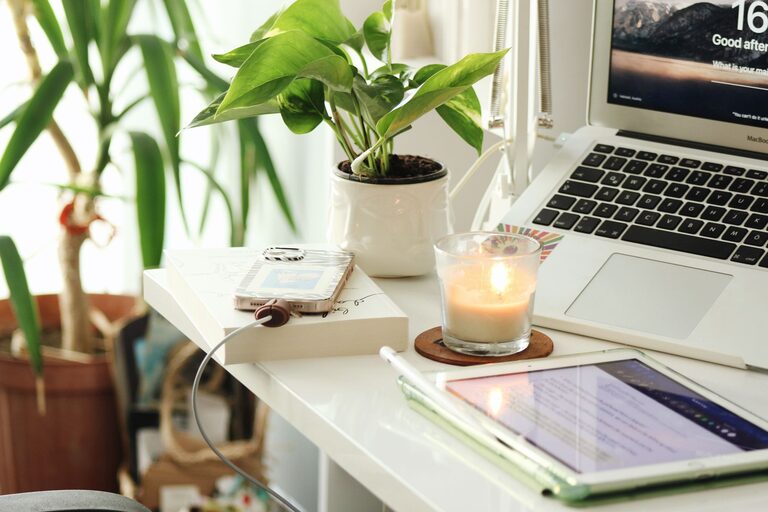
Plants improve air quality and bring a touch of nature inside. Choose low-maintenance options like succulents, snake plants, or pothos.
Natural Elements
Wood accents, stone decorations, or natural fiber rugs can also make your space feel warmer and more relaxing.
6. Control Noise and Distractions
Noise-Canceling Headphones
If you live in a noisy environment, these can help you focus better by reducing background sounds.
White Noise or Soft Music
Some people find background noise calming. Consider soft instrumental music or white noise machines to drown out distractions.
7. Manage Technology Wisely
Cable Management
Use cable clips or sleeves to keep cords neat and prevent tangling.
Screen Positioning
Place your computer monitor at eye level to reduce neck strain, and keep screens clean to avoid glare.
8. Establish Boundaries and Routines
Set Work Hours
Define clear start and end times to avoid burnout and help separate work from personal life.
Create a Ritual
Start your day with a routine that signals the beginning of work, such as brewing coffee or reviewing your task list.
9. Add Elements for Comfort
Temperature and Ventilation
Keep the room at a comfortable temperature and ensure good airflow to stay alert and comfortable.
Personal Comfort Items
A cozy blanket, a wrist rest for your keyboard, or a diffuser with calming scents like lavender can enhance relaxation.
—
Creating a home office that feels relaxing and inviting takes some thought and effort, but small changes can make a significant difference. By focusing on comfort, organization, and atmosphere, you can build a workspace that not only improves your productivity but also helps you enjoy the time you spend working from home.