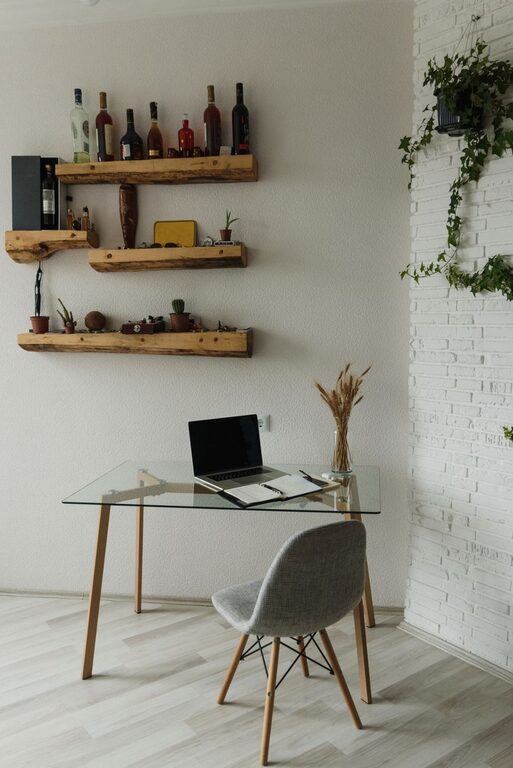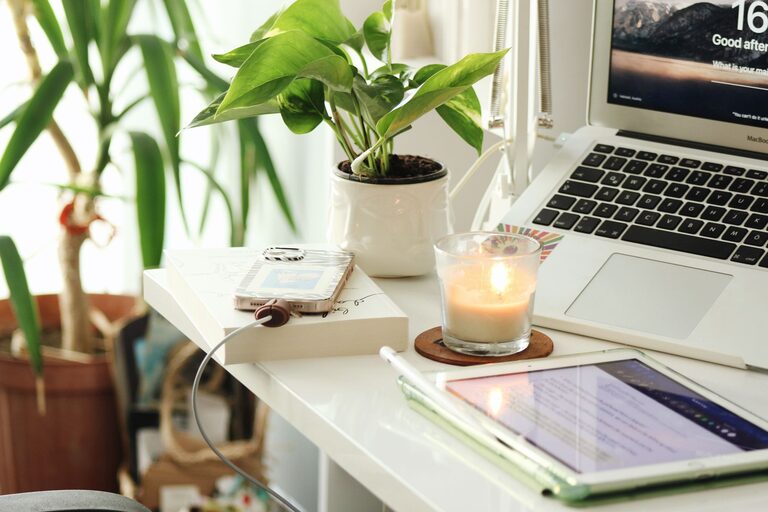
Creating a productive home office environment is essential for anyone who works remotely or spends significant time on projects at home. A well-designed workspace not only enhances focus and efficiency but also helps maintain a healthy work-life balance. Below are practical tips to transform your home office into a space where productivity can thrive.
Choose the Right Location
Selecting the ideal spot for your home office lays the foundation for productivity.
– Quiet Area: Find a quiet corner or room with minimal distractions to keep your concentration sharp.
– Natural Light: Position your desk near a window to benefit from natural light, which can improve mood and reduce eye strain.
– Space: Ensure there’s enough room for your equipment, files, and some personal touches without feeling cramped.
Invest in Comfortable and Functional Furniture
Comfort plays a crucial role in how efficiently you work.
– Ergonomic Chair: Choose a chair that supports good posture to avoid back and neck pain.
– Appropriate Desk: Select a desk height that allows your elbows to rest comfortably at a 90-degree angle.
– Adjustable Setup: Consider a sit-stand desk or adjustable monitor stands to change positions throughout the day.
Organize Your Workspace
An organized area helps clear mental clutter and enhances workflow.
– Declutter Regularly: Keep only essential items on your desk; store or discard unnecessary objects.
– Use Storage Solutions: Shelves, filing cabinets, or drawer organizers can keep papers and supplies tidy.
– Cable Management: Use clips or cable ties to organize cords and avoid a tangled mess.
Optimize Lighting
Proper lighting reduces eye strain and creates a comfortable environment.
– Layered Lighting: Combine ambient light with task lighting, like a desk lamp, to illuminate your workspace effectively.
– Avoid Glare: Position your monitor away from direct light sources to prevent reflections on the screen.
– Choose the Right Bulbs: Use daylight or cool white bulbs to mimic natural light, which can help maintain alertness.
Minimize Distractions
Reducing interruptions can significantly improve productivity.
– Set Boundaries: Inform family members or housemates of your work hours to minimize disturbances.
– Use Noise-Cancelling Tools: Headphones or white noise machines can help block out background sounds.
– Limit Digital Interruptions: Turn off non-essential notifications and use apps that promote focus.
Personalize Your Space
Adding personal touches can make your home office inviting and motivating.
– Incorporate Plants: Greenery can reduce stress and improve air quality.
– Add Inspirational Items: Photos, quotes, or artwork can boost your mood and creativity.
– Choose Calming Colors: Soft, neutral tones promote concentration without distraction.
Establish a Routine
A consistent daily routine supports productivity and work-life balance.
– Set Work Hours: Define specific start and end times to create structure.
– Take Regular Breaks: Short breaks help maintain focus and reduce fatigue.
– Create a Start-Up Ritual: Begin your workday with a routine that signals your brain it’s time to focus, such as a cup of coffee or reviewing your to-do list.
Maintain Good Technology Practices
Reliable technology helps your workflow remain uninterrupted.
– Fast Internet Connection: Ensure your internet is stable and sufficient for video calls and file uploads.
– Keep Software Updated: Regular updates improve security and performance.
– Backup Data: Use cloud storage or external drives to prevent data loss.
Foster Healthy Habits
Physical and mental well-being are key to sustained productivity.
– Stay Hydrated: Keep water nearby to stay refreshed.
– Mind Your Posture: Take moments to stretch and reset your posture.
– Separate Work and Relaxation: At the end of the day, step away from your home office to unwind.
Final Thoughts
Crafting a productive home office is about balancing comfort, organization, and personalization. Taking steps to optimize your workspace can lead to better focus, higher output, and an overall improved work-from-home experience. Start small—adjust your chair, reduce clutter, or add a bit of natural light—and build from there. Your ideal home office awaits!