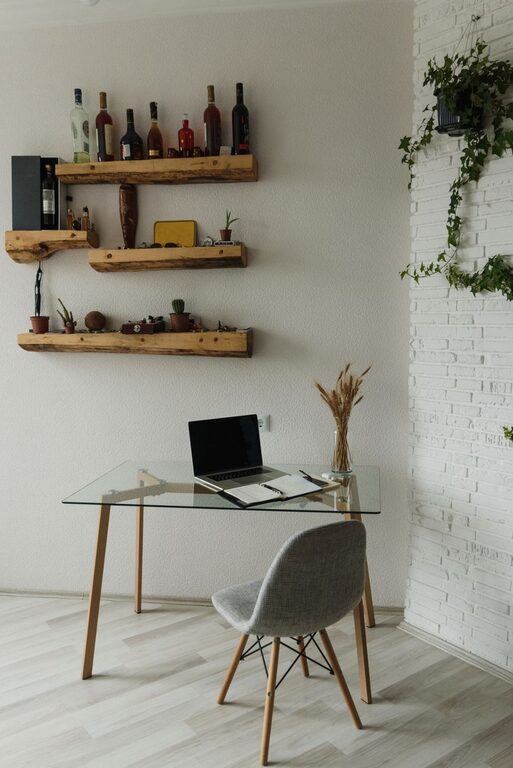
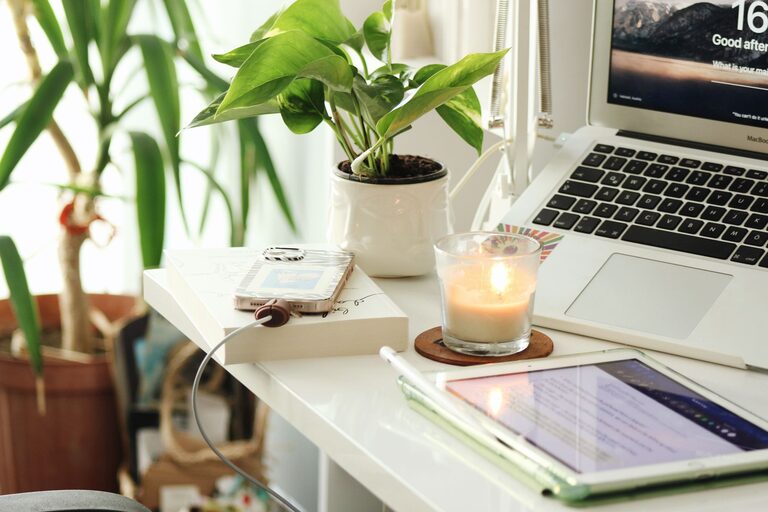
Creating a relaxing home workspace is essential for maintaining productivity and well-being during your workday. Whether you work from home full-time or occasionally need a quiet spot to catch up on tasks, your environment plays a key role in your focus and comfort. This guide shares practical tips to help you create a workspace that feels calm, organized, and inviting.
Why a Relaxing Workspace Matters
Your home workspace is where your work meets your personal life. An area that is cluttered, noisy, or uncomfortable can increase stress and reduce efficiency. On the other hand, a thoughtful and relaxing setup can improve concentration, reduce fatigue, and even boost creativity. Designing your workspace with calmness in mind benefits both your mind and body.
Choosing the Right Location
Start by selecting a suitable spot in your home for your workspace.
– Natural Light: Choose a space near a window if possible. Natural light helps reduce headaches and eye strain, and it improves mood.
– Quiet Environment: Pick a quieter part of your home away from high-traffic areas to minimize distractions.
– Adequate Space: Ensure there’s enough room for your desk, chair, and equipment without feeling cramped.
Comfortable and Ergonomic Furniture
Your furniture affects how comfortable and relaxed you feel throughout the day.
– Ergonomic Chair: Invest in a chair that supports your back and encourages good posture.
– Desk Height: Choose a desk at a height that allows your arms to rest comfortably while typing.
– Adjustable Items: Consider a standing desk or adjustable monitor stands to change your position occasionally.
Lighting That Soothes
Good lighting reduces eye strain and creates a pleasant atmosphere.
– Layer Lighting: Combine natural light with task lighting, such as desk lamps with warm bulbs.
– Avoid Glare: Position your screen to avoid glare from windows or overhead lights.
– Soft, Warm Light: Choose lighting that is not too harsh or bright. Warm tones help promote relaxation.
Organizing for Calmness
A tidy workspace helps clear your mind and improves focus.
– Declutter Regularly: Remove items you don’t need daily.
– Use Storage Solutions: Bins, shelves, and drawer organizers help keep supplies neatly stored.
– Keep Essentials Close: Arrange frequently used items within easy reach to minimize distractions.
Adding Personal Comforts
Personal touches make your workspace inviting without causing clutter.
– Plants: Small indoor plants can improve air quality and add a sense of calm.
– Soothing Colors: Choose paint, accessories, or artwork in soft, neutral shades.
– Comfort Items: A cozy throw blanket or a stress relief ball can make the space feel more relaxing.
Incorporate Noise Control
Minimizing unwanted noise helps maintain concentration and relaxation.
– Use Headphones: Noise-canceling headphones can block distractions.
– Soft Fabrics: Rugs, curtains, and upholstered furniture absorb sound and reduce echo.
– White Noise: Consider a small white noise machine or app to mask background sounds.
Technology Setup
Technology should support your work without causing frustration.
– Wireless Options: Reduce cord clutter with wireless keyboards and mice.
– Cable Management: Use clips or sleeves to keep cables organized.
– Monitor Placement: Set up screens at eye level and at a comfortable distance.
Establish Boundaries
Creating mental and physical boundaries helps keep work and relaxation separate.
– Dedicated Workspace: Avoid working in bed or on the couch to maintain a work-life boundary.
– Clear Start and End Times: Use your designated workspace only during work hours when possible.
– Visual Signals: Closing a laptop or putting away materials indicates the end of the workday.
Regular Breaks and Movement
A relaxing workspace supports healthy routines.
– Stretch and Move: Set timers to remind yourself to stand, stretch, or take short walks.
– Hydration Station: Keep a water bottle nearby to stay hydrated throughout the day.
– Comfortable Temperature: Adjust room temperature for comfort, using fans or heaters as necessary.
Final Thoughts
Creating a relaxing home workspace involves more than just good looks. When you consider lighting, comfort, organization, and personal touches, you set the stage for productivity and well-being. Take time to personalize and adjust your workspace until it feels just right for you.
With these tips, your home office can become a place where work feels less stressful and more enjoyable—helping you maintain focus, stay comfortable, and balance your work and personal life smoothly.